
The Madness and Modernism of Virginia Woolf
Virginia Woolf was a prolific author and one of the most important modernists of the early twentieth century. She was also one of the most famously mentally unwell writers of the same period, with her personal life attracting nearly as much attention as her works.
Whilst her battle with the depression and other mental health conditions that ultimately drove her to suicide have been well documented, what is less well known is that Virginia Woolf also battled with substance abuse. Woolf was a regular user of the class A drug chloral (commonly used at the time to treat insomnia and known for the sedated and hypnotic state it left its users in). Woolf referred to the drug as “that mighty prince with the moth’s eyes and the feathered feet.” All of these factors, which are often referred to as ‘the madnesss of Virginia Woolf’, greatly influenced her works.
The Language of Madness
What is interesting is that, despite her obvious innovative writing skill, Woolf never saw herself as a professional writer, instead viewing her writing as an outlet, a function to help her control and process her mental health problems. She therefore was never really writing for an external audience as much as for herself, something that is occasionally very apparent within her works. The theme of madness, of sanity and insanity, runs like a thread through all of Woolf’s works, particularly her most famous piece Mrs Dalloway. The fury of her depression and her bi polar disorder governed Virginia Woolf’s life and her need to write was, above all else, a need to make sense of the chaos of her mind and demonstrate some semblance of control over her psyche. Woolf was truly troubled, in every sense of the term, and her works demonstrate this very clearly, with madness and mental confusion bubbling below the surface in every novel that she creates. The language used within her works also repeatedly and insistently raises questions about the very origins of language, as well as the linguistic connection with madness and suicide.
The Writing Cycles of A Manic Depressive
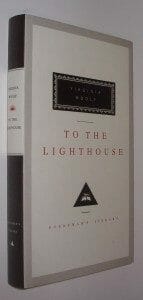
Many of her works were written during cycles of depression and mania, although Woolf herself admitted that she was a much more productive writer during her periods of depression, which no doubt explains why this remains the dominate theme of any mental health discussions within her works. The Years, Three Guineas and Between the Acts were all written in spurts and starts before she succumbed to her depression and the writing stopped. It’s important to remember that as well as being a modernist, Woolf was also a late Victorian, and these Victorian influences are also included in her works, with To The Lighthouse being a focus and critique of the imbalance of the typically Victorian relationship between her deceased parents; a huge contrast to the equal and equally worthy relationship that she strived to have with her husband Leonard, who himself battled with mental illness in the form of depression. The death of her parents had a huge impact on the young Woolf, and is thought to be the trigger that led to Woolf’s first suicide attempt and her first experience of manic depression. One biographer of Woolf was keen to point out that Woolf was not an insane individual, but a sane person who suffered with a mental illness. Perhaps it is this sanity that lead to Woolf’s self-awareness about her condition and her preoccupation with including it in her works.
The modernist style of Woolf’s work changed and evolved, becoming more and more sophisticated with each subsequent novel that she produced. She was at the center of a literary revolution, a position she both relished and simultaneously found pressurised and uncomfortable. Reading Woolf’s works is like a lesson in well written modernism: they also reveal so much about her psyche, and their almost autobiographical nature have fascinated readers for generations. When viewed in conjunction with her diaries and letters (Woolf was a prolific letter writer and journal reader) it is possible to really create a full picture of the author that can enhance and deepen the experience of reading Woolf’s unique modernist works.
This article is by courtesy of Helen Salter
Search for books by Virginia Woolf at Virginia Woolf Books
Browse all my books at Hcbooksonline

